February 20, 2026
Masonry has been a critical construction method throughout human history, renowned for its strength and durability. From ancient Egyptian pyramids to modern urban skyscrapers and home masonry. Masonry has significantly shaped architectural styles across eras. In contemporary architecture, professional masonry continues to play a crucial role, not only for its aesthetic appeal but also for its technical benefits. It blends traditional craftsmanship with modern innovations to provide a robust solution for residential and commercial projects, often guided by the expertise of a skilled masonry contractor. Understanding the importance of professional masonry in today's building practices highlights its lasting legacy and future potential.
Learning About the Historical Significance of Masonry in Architecture
Masonry techniques date back thousands of years, with the earliest examples found in ancient civilizations such as Egypt and Mesopotamia. The pyramids of Giza serve as iconic reminders of the Egyptians' advanced masonry skills, employing massive limestone blocks to ensure their lasting greatness. Masonry allowed ancient societies to construct enduring structures that served religious, political, and social functions, much like the work performed today by a masonry contractor. The striking visibility and durability of these structures underline the artisanship and engineering prowess of early masons. Today, these masterpieces remind us of the close relationship between masonry and development.
Evolving Masonry Techniques
Throughout history, masonry has evolved significantly, adapting to regional resources and technological advancements. Advancements in materials, such as the transition from mud-brick to kilned bricks and subsequently to concrete masonry, have been pivotal. Each stage of evolution contributed to advancements in building safety, energy efficiency, and aesthetic style. Mechanical techniques and construction tools have further refined masonry practices, increasing precision and reducing labor intensity for every masonry contractor. Understanding this evolution helps one appreciate masonry as a dynamic craft that continually pushes forward with every innovation.
Exploring the Impact of Masonry on Architectural Styles
Masonry has been instrumental in defining architectural styles across eras. Roman arches, Gothic cathedrals, and Renaissance facades prominently feature masonry as a primary construction method. The versatility of masonry allows for varying textures, finishes, and strength levels, influencing aesthetic and functional attributes that a masonry contractor can tailor to specific design goals. With its capacity to merge utilitarian and decorative elements, masonry can seamlessly integrate into both traditional and modern designs. Its diverse applications ensure that masonry remains a pivotal tool in an architect's repertoire for creative expression.
Expanding Masonry in Modern Architecture
Despite the rise of steel and glass skyscrapers, masonry continues to hold a significant place in modern architecture. Contemporary architects utilize masonry for sustainable building projects due to its natural materials and energy efficiency qualities. Moreover, masonry's thermal mass and fire resistance satisfy stringent building codes and sustainability goals, making collaboration with a masonry contractor essential for compliance and quality. Its aesthetic qualities, from refined brickwork to raw concrete surfaces, cater to diverse architectural visions. As architectural designs evolve, masonry's flexibility allows it to adapt and remain relevant in today's rapidly changing landscape.
Examining Case Studies of Iconic Masonry Buildings
Noteworthy masonry structures worldwide exemplify craftsmanship and durability. The Great Wall of China is a masonry marvel that has withstood centuries, while medieval Europe's castles showcase the protective power and beauty of stonework. Despite facing extreme environments, these buildings withstand time due to meticulous engineering and construction. Modern developments like the United Nations Building in New York City further demonstrate masonry's continued importance in iconic construction. Examining these case studies highlights the unyielding strength and aesthetic appeal that any experienced masonry contractor strives to achieve through the ages.
Using Techniques and Materials in Professional Masonry
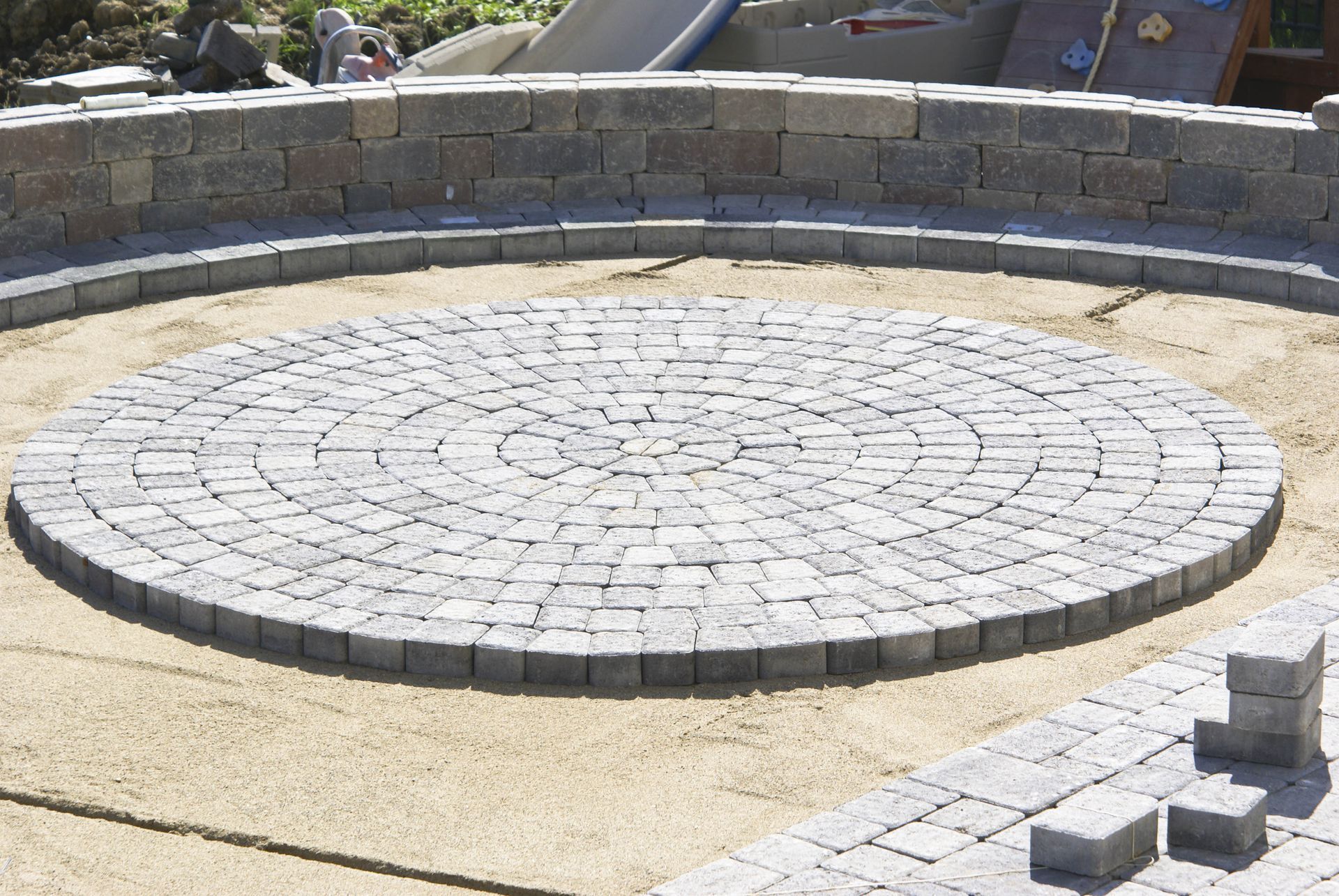
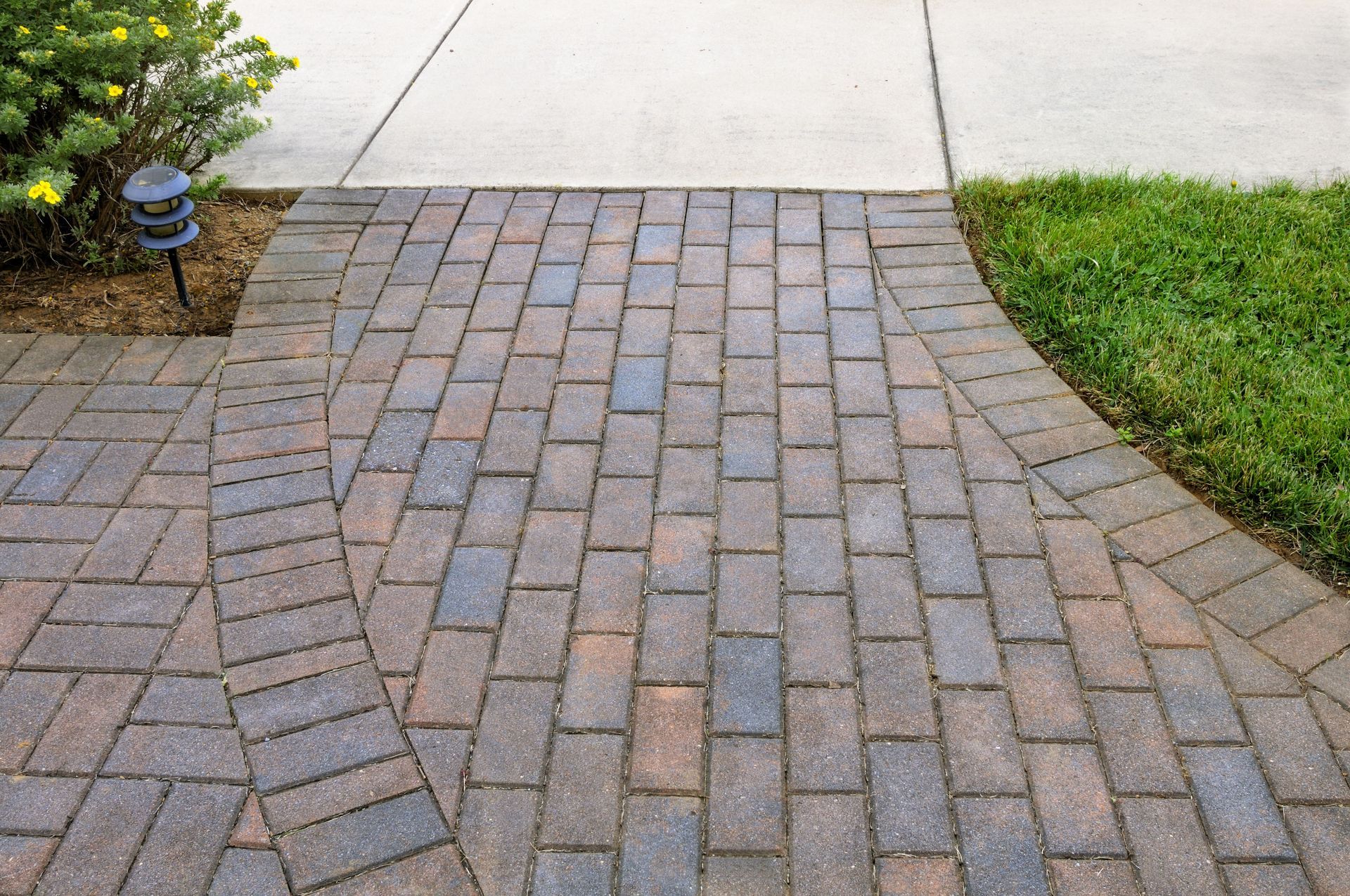
The art of Masonry employs a diverse range of materials, each suited for specific structural needs and aesthetic desires. Bricks, blocks, stone, and concrete are among the primary choices for professional masons. Each offers distinct properties concerning strength, fire resistance, and thermal mass. Continued advancements in masonry materials include innovations like lightweight and sustainable concrete blocks. Selecting the appropriate masonry material is crucial to align with a structure's functional and design requirements.
Setting the Standard for Modern Masonry Techniques
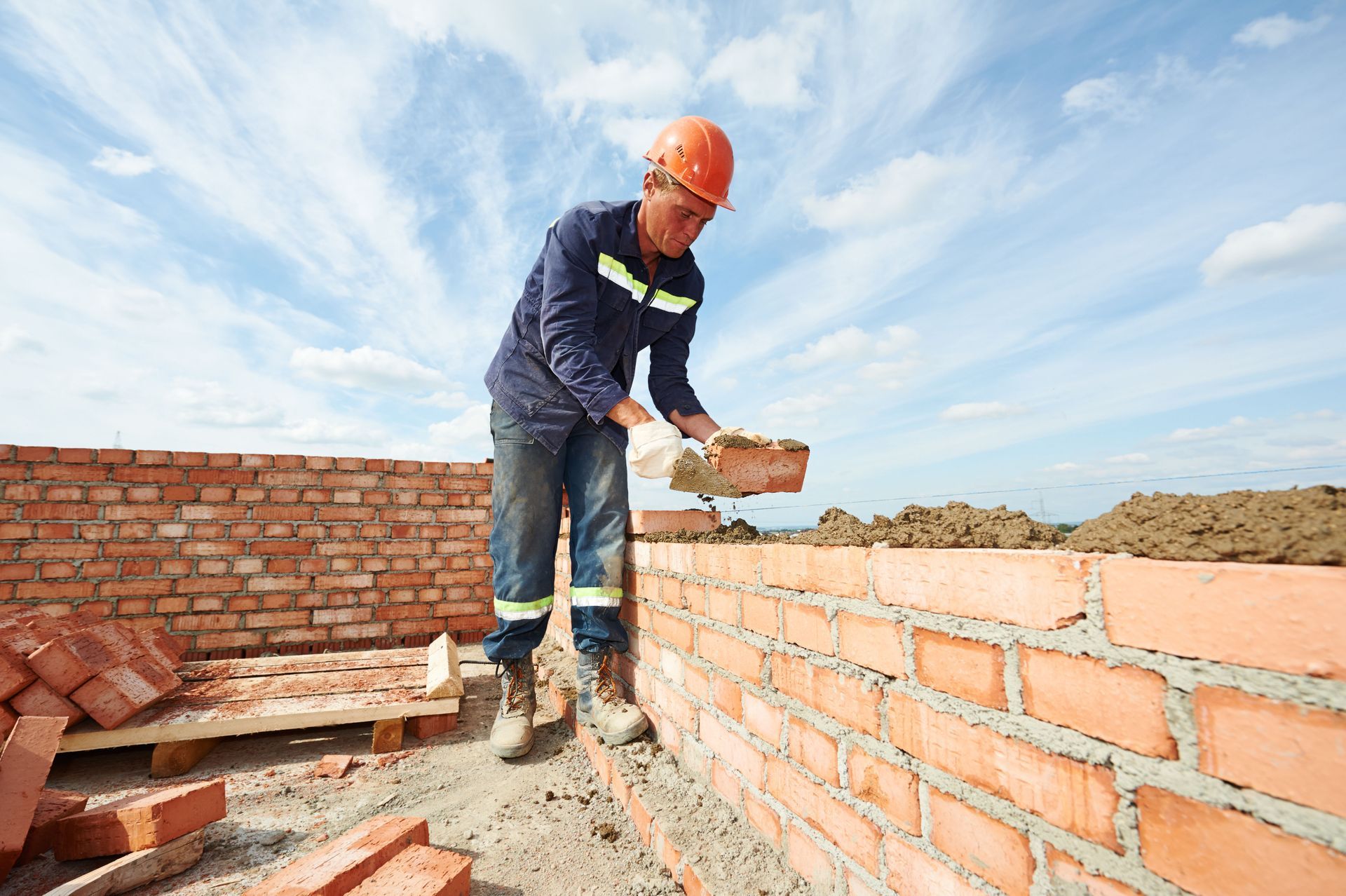
Today's modern masonry techniques blend traditional craftsmanship with technological advances to improve efficiency and precision. Prefabrication allows masons to prepare materials off-site, reducing weather delays and installation time. Innovations like robotic-assisted masonry significantly enhance accuracy, safety, and speed in construction projects. These techniques not only cut costs but also open new possibilities for complex and artistic architectural designs. While maintaining the essence of hand-laid brickwork, modern methods expand the potential of masonry in contemporary settings.
Innovating: How Masonry Materials Help Expand the Industry
The quest for more sustainable building practices has fueled innovation in masonry materials. Environmentally friendly options like recycled content bricks and carbon-neutral concrete reduce the carbon footprint of construction. Technological advancements also yield stronger and more durable materials, increasing a building's lifespan while reducing maintenance needs. For example, self-healing concrete integrates bacteria that seal cracks over time, extending the material's longevity. Such innovations align with growing industry demands for sustainable and resilient construction solutions.
Comparing Traditional vs. Modern Masonry Practices
Traditional masonry practices emphasized manual labor, where skilled artisans hand-laid each unit with precision. Conversely, modern practices leverage tools and machines for increased efficiency and scale. Despite these advancements, the craftsmanship of traditional methods is cherished for its artistic and historical value. The integration of new materials and methods in modern practices reflects the adaptation to contemporary needs and constraints. The coexistence of both practices allows for a versatile approach to construction, balancing heritage and innovation.
Selecting Materials in Masonry
Sustainability considerations have become a driving force in selecting masonry materials. Eco-friendly alternatives like fly ash bricks and green concrete blend recycled materials into high-performing products. These alternatives not only conserve natural resources but also minimize waste and emissions from traditional construction processes. Furthermore, the enduring nature of masonry reduces the frequency of reconstruction and repair, benefiting environmental and economic sustainability. According to This Old House, a well-maintained fireplace can last over 100 years, signifying the long-lasting value of quality masonry work. Sustainable masonry choices contribute to the broader goal of reducing the environmental impact of the building industry.
Utilizing Technical Advantages in Professional Masonry
Masonry's renowned structural integrity makes it ideal for long-lasting buildings. Its ability to bear significant loads and resist harsh weather conditions underscores its strength. Ensuring durability necessitates skilled masons who follow best practices in material selection and construction techniques. By minimizing wear and tear, masonry cuts down on the need for frequent repairs and replacements, thereby preserving a building's longevity. Professional masonry reinforces structure reliability, ensuring buildings safely stand the test of time.
Understanding Thermal Mass and Energy Efficiency
One of masonry's leading benefits is its thermal mass, which contributes significantly to energy efficiency. The density of materials like brick and stone allows these elements to absorb and store heat, stabilizing indoor temperatures. This characteristic reduces energy consumption for heating and cooling, offering cost savings while promoting environmental conservation. Remastered masonry construction integrates advanced insulation and moisture barriers, significantly augmenting this thermal effect. Consequently, many modern developments employ masonry for energy-conscious and comfortable building environments.
Professional masonry is a cornerstone of architectural excellence, offering invaluable contributions to both aesthetic and functional aspects of construction. Its rich history, technical advantages, and capacity for innovation position it as an enduring favorite in the building industry. As professional masons blend craftsmanship with technological progress, they create spaces that evoke beauty, sustainability, and resilience. The enduring appeal of masonry ensures its continuing significance in architectural practices and societal development. With an eye toward the future, the integration of new techniques and materials promises a lasting legacy for this timeless building method. If you are in search of a masonry contractor near the Avalon, NJ area, contact A. Alliano Masonry Inc. to request an estimate.